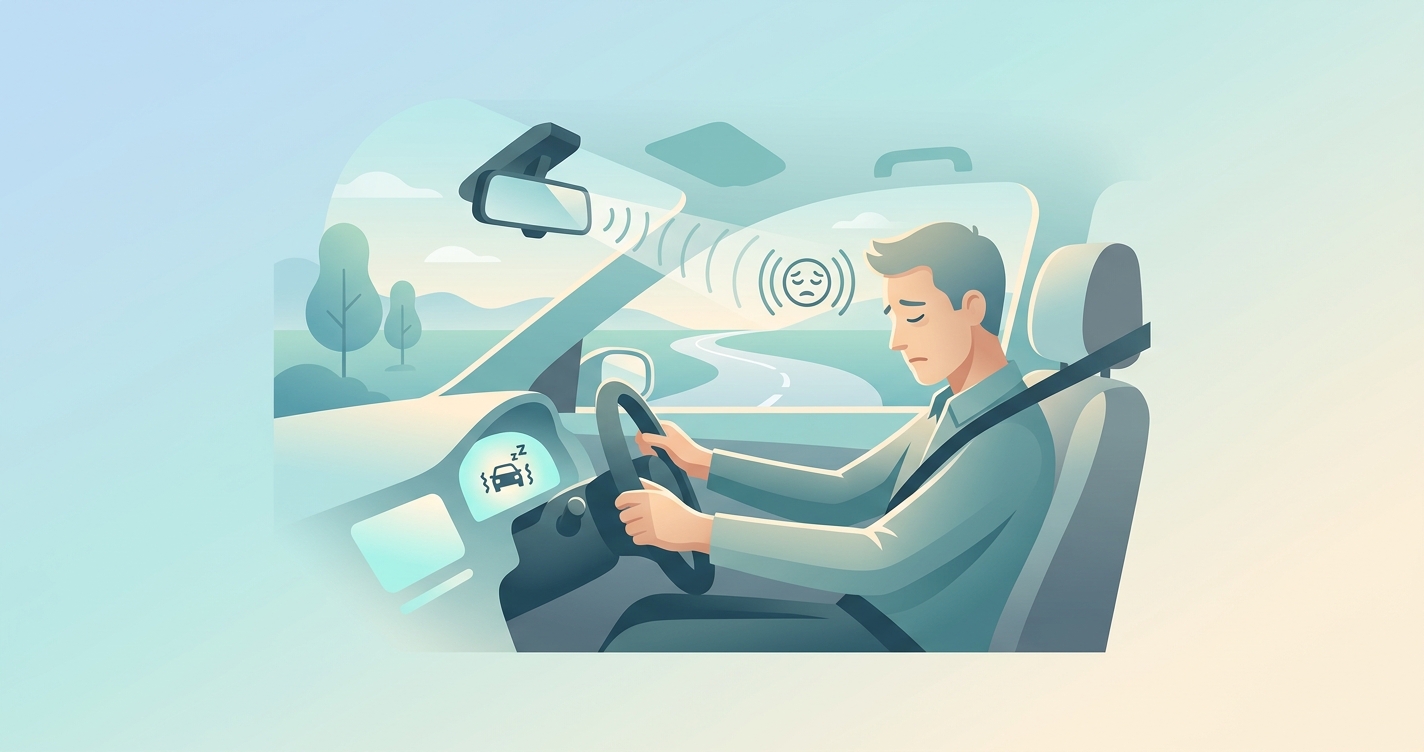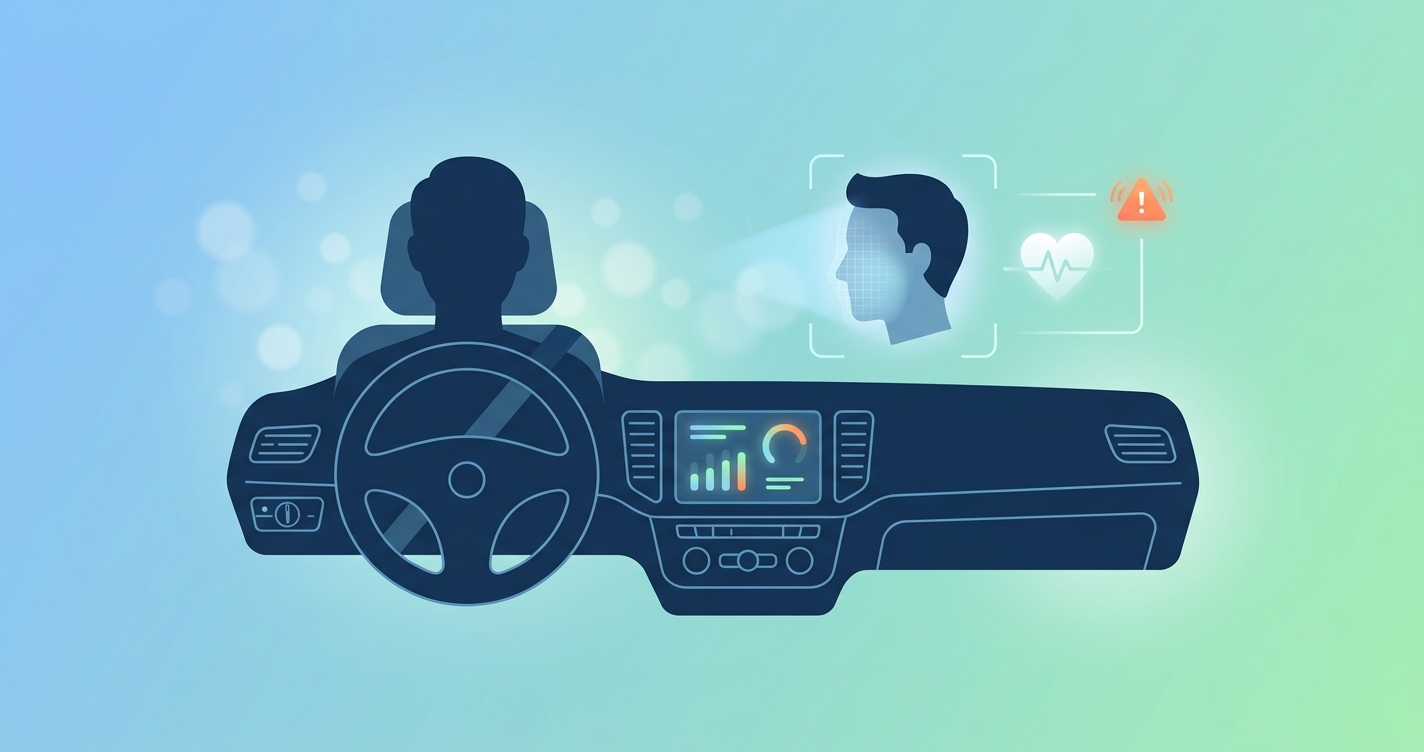

What happens when my car flags me as unfit to drive?
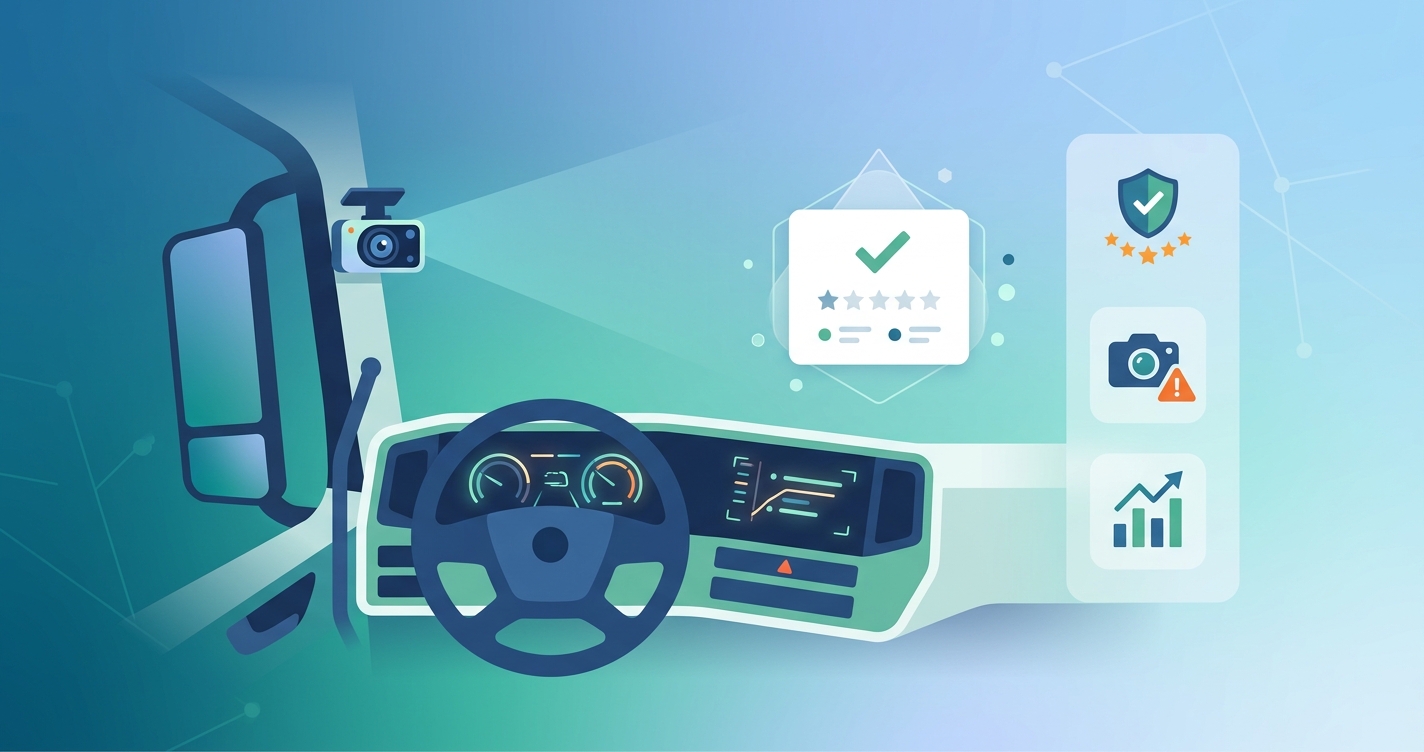
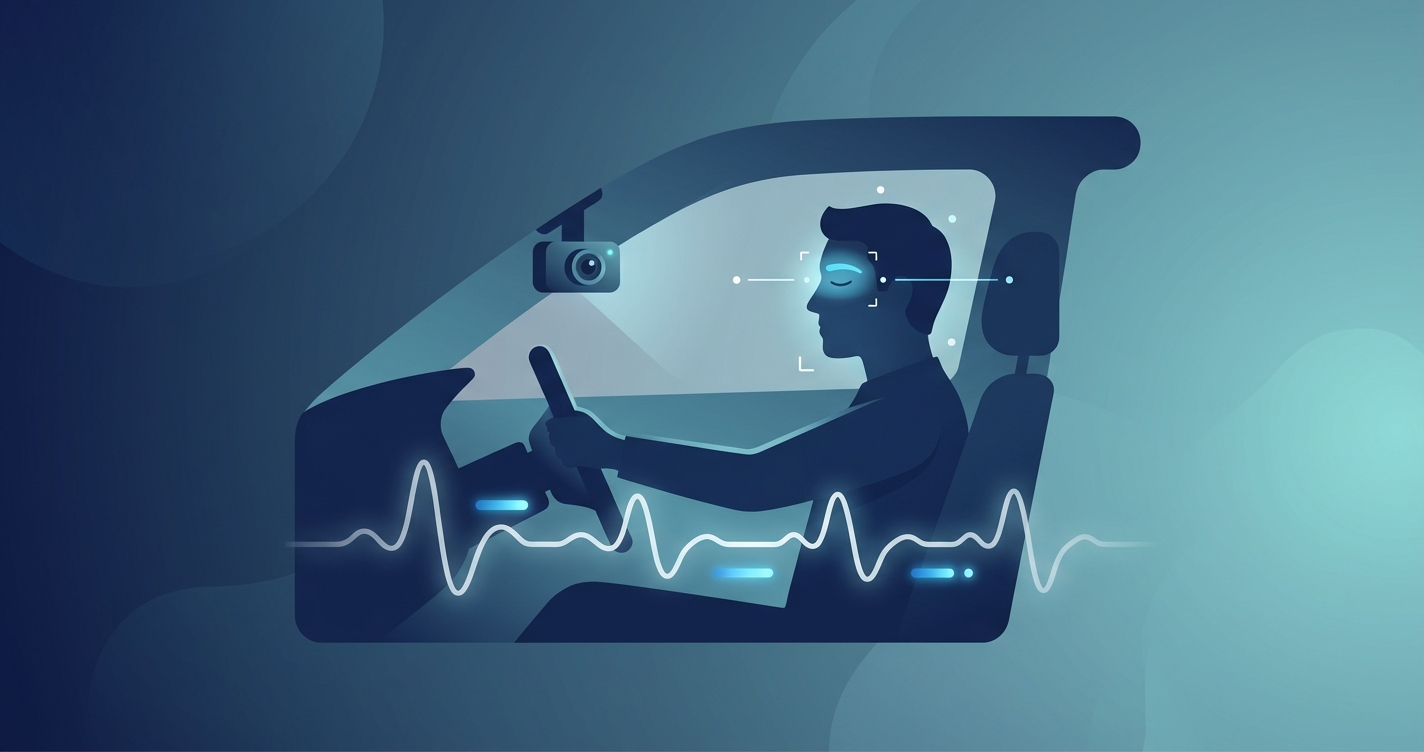
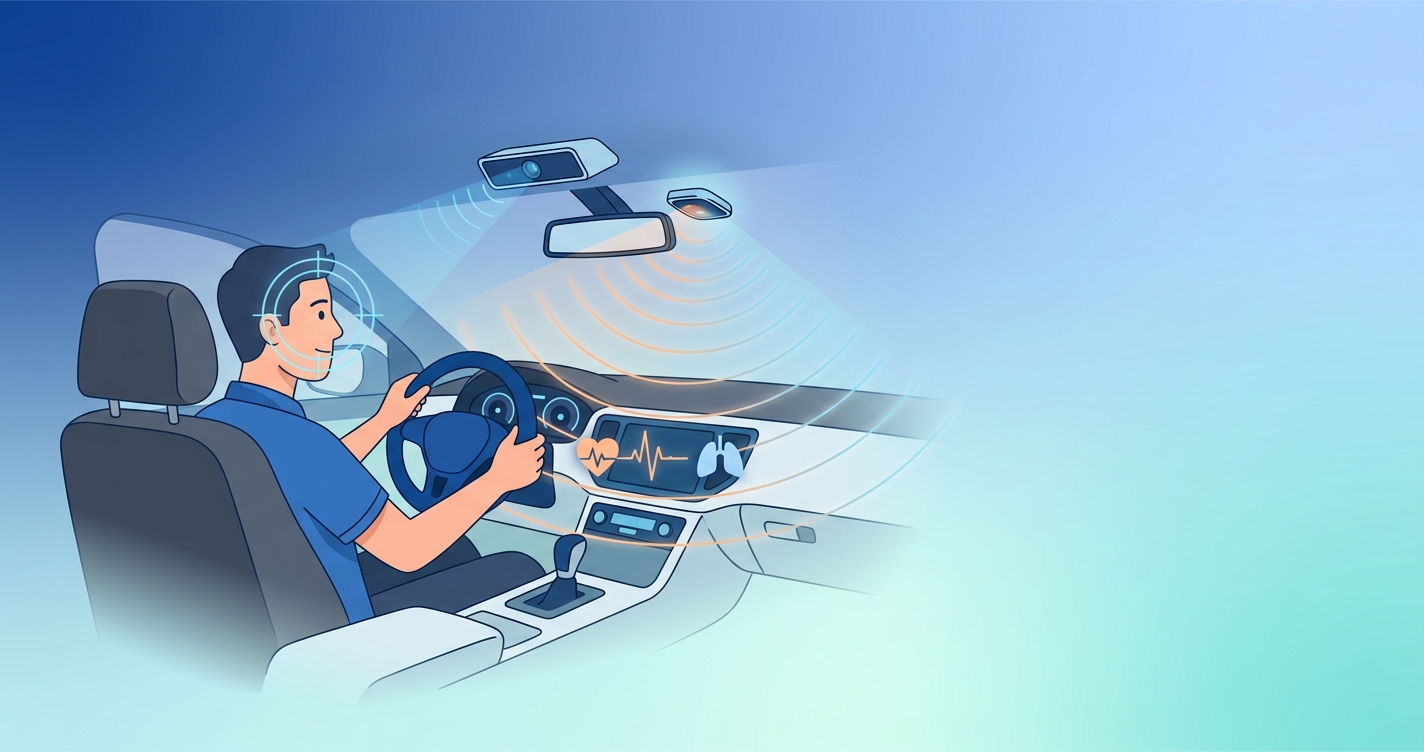
When a modern car flags a driver as unfit, it triggers a multi-stage response, from alerts to assisted braking. Here's what drivers and fleet managers should know.
Insights on health technology, vitals monitoring, and wellness from the QuickScanVitals team.

When a modern car flags a driver as unfit, it triggers a multi-stage response, from alerts to assisted braking. Here's what drivers and fleet managers should know.

An analysis of whether driver fatigue detection systems can prevent crashes, with data from NHTSA and research on camera-based monitoring technology.

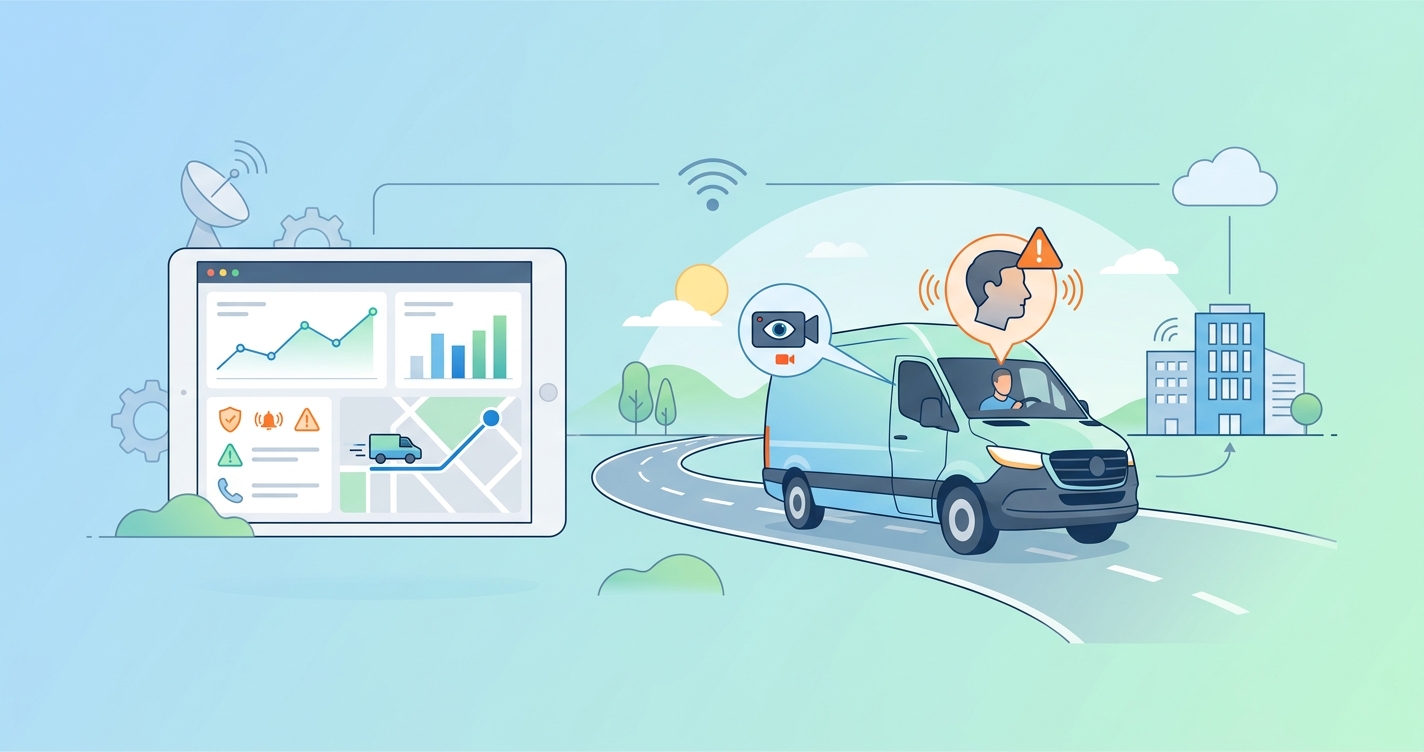
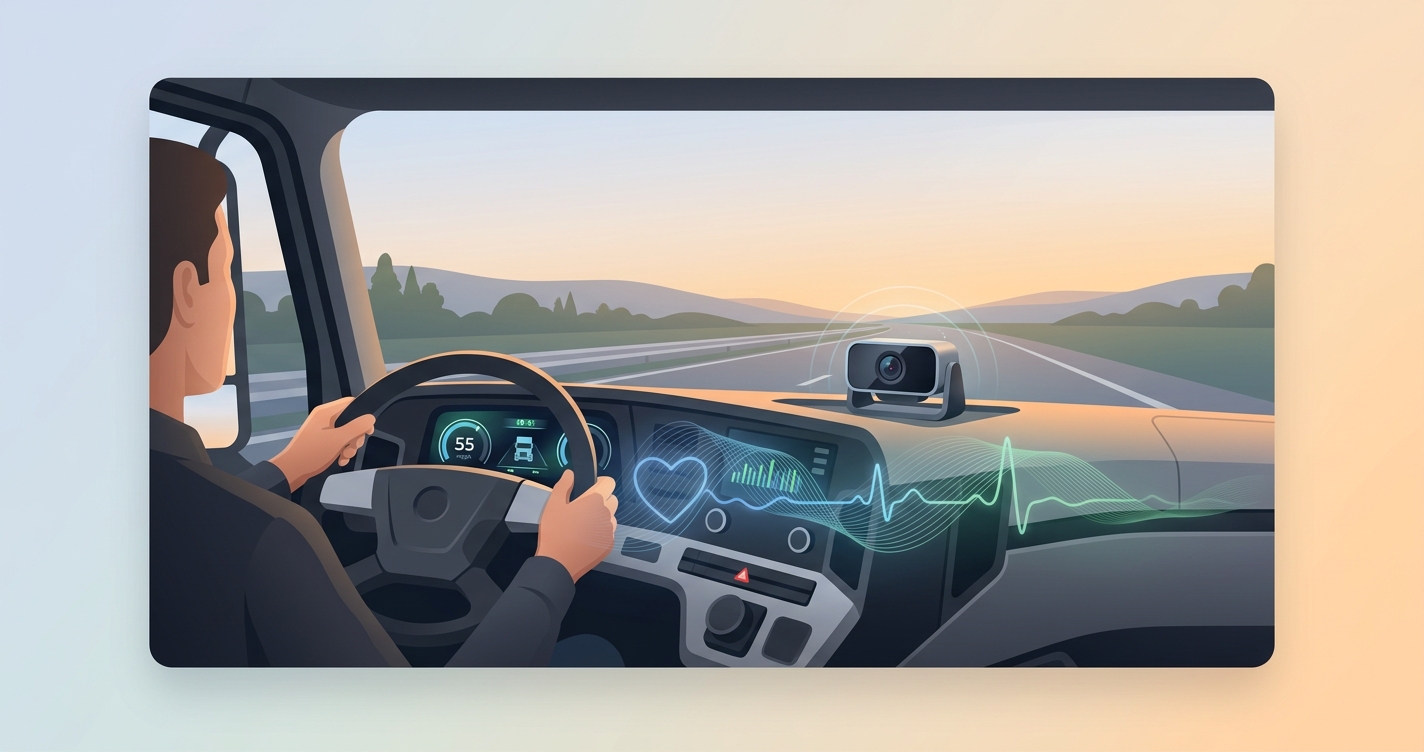
Trucking companies are implementing in-cab vital sign monitors to address high rates of driver health issues and fatigue-related accidents. Learn how the technology works.

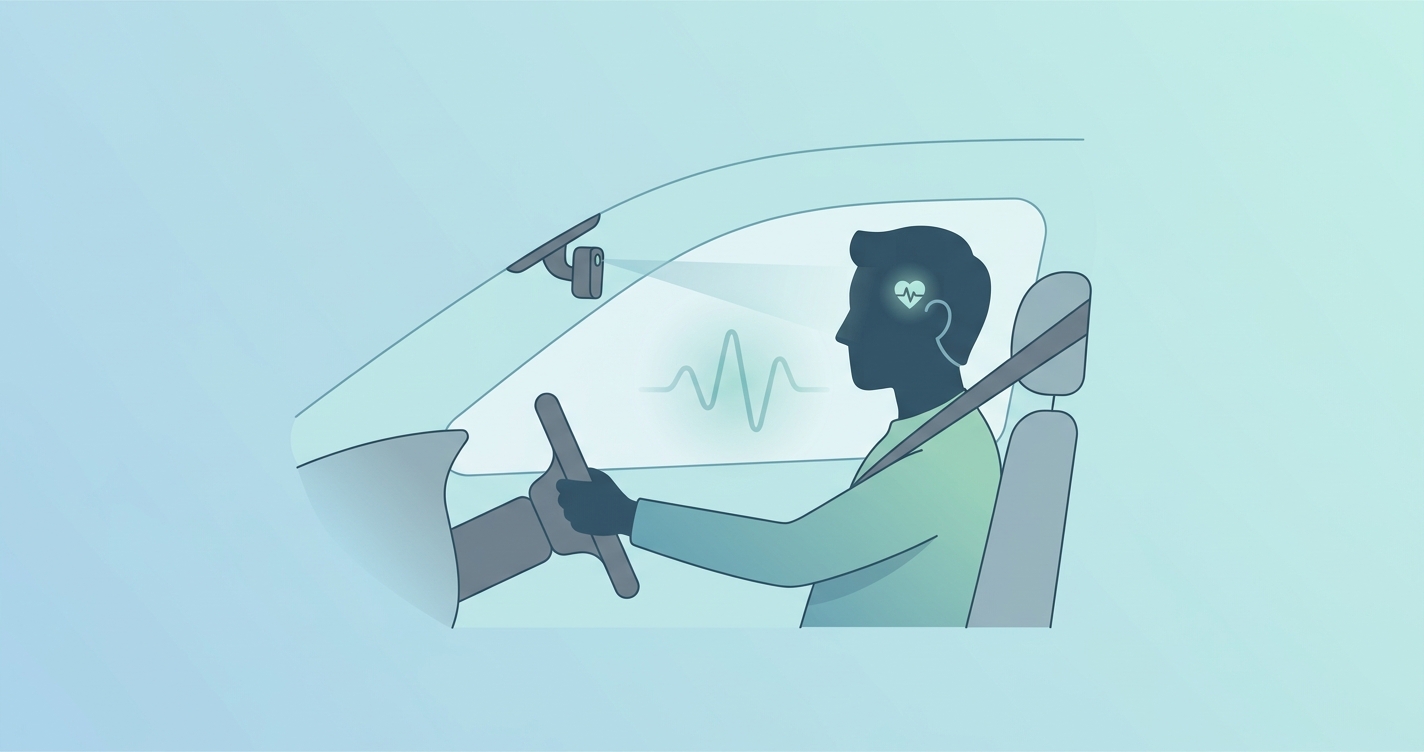
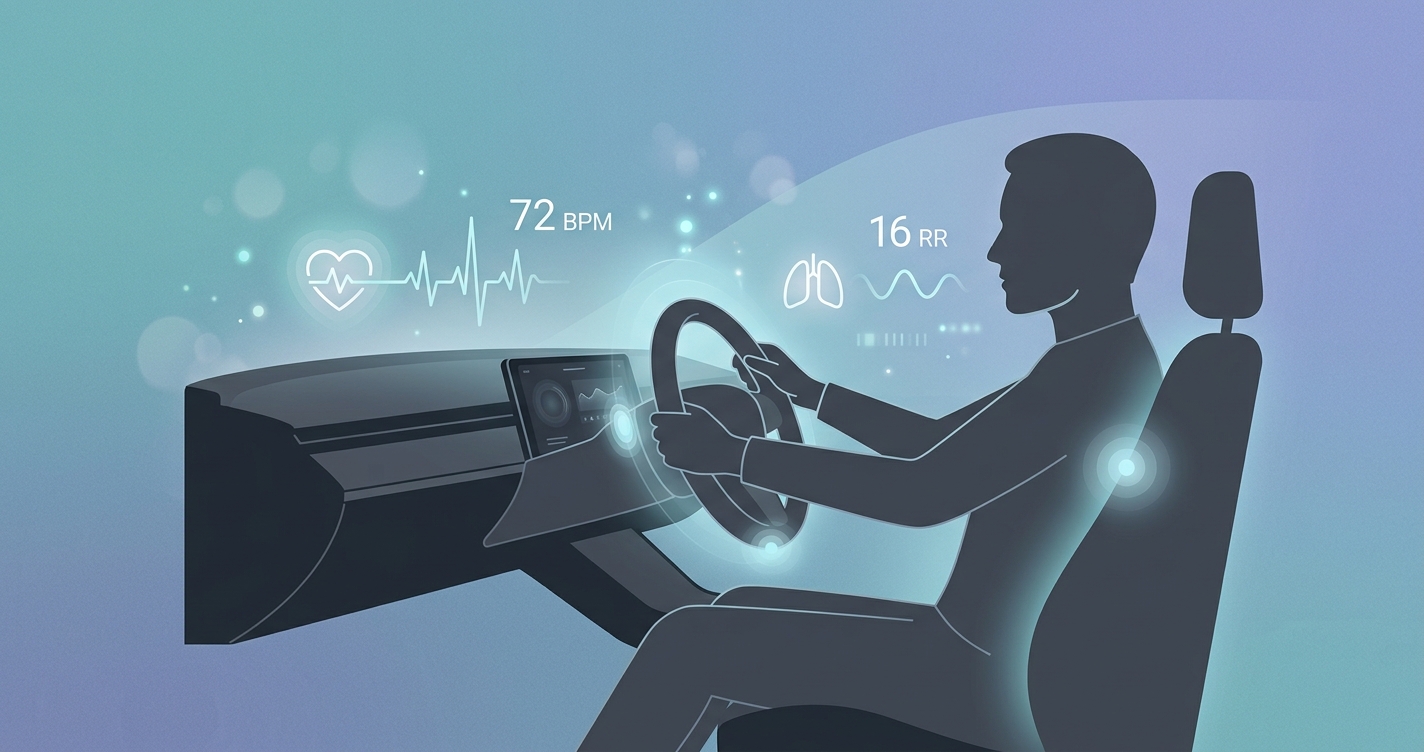
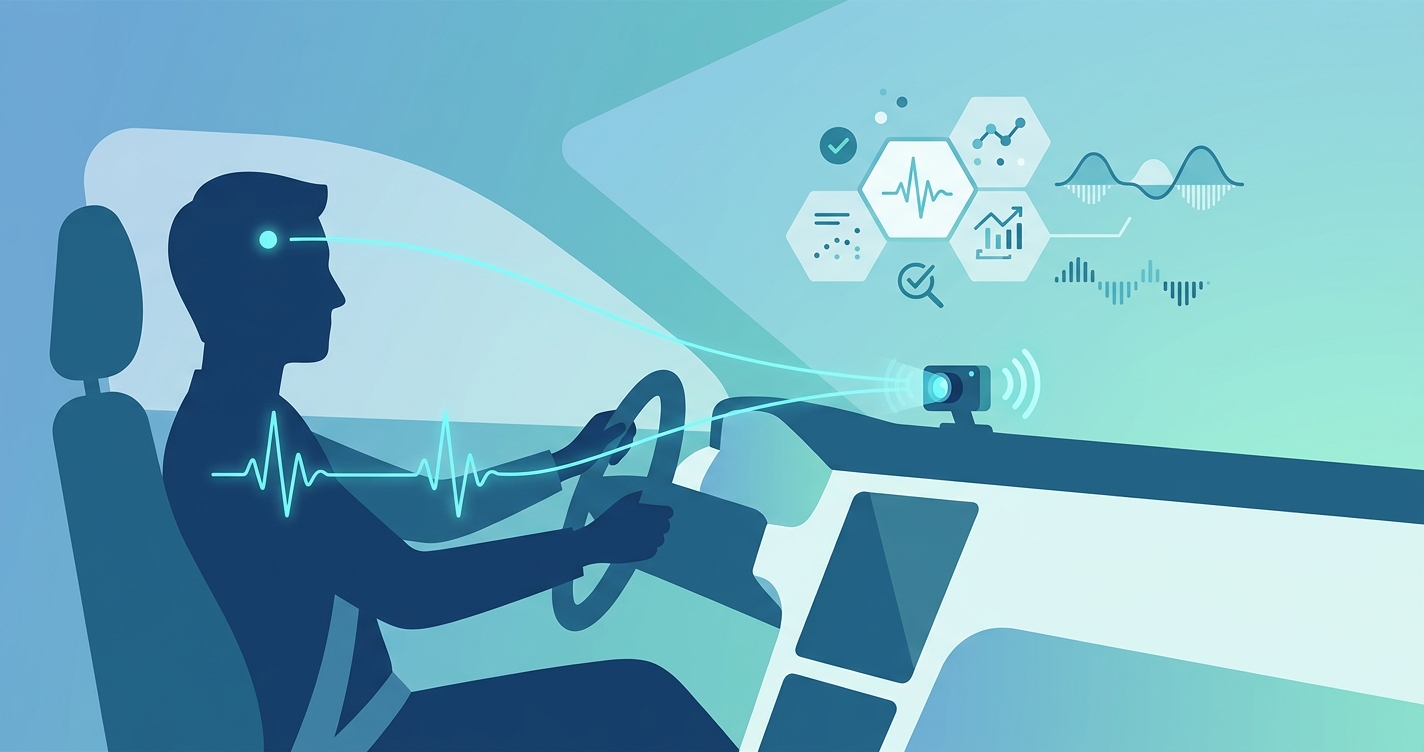
Explore the technology that allows vehicles to monitor driver vital signs and detect medical emergencies like a heart attack before the driver is even aware.

A review of US and EU regulations on in-cabin driver monitoring systems, including the legal frameworks for vital signs monitoring and data privacy.

Analyzing the pros and cons of rideshare driver alertness pay, this report examines the impact of performance-based compensation on driver safety and the gig economy.

Why are new cars driver facial monitoring systems appearing now? A research-based look at safety rules, distraction data, and camera-based driver monitoring.

A research-based look at whether a car can detect tired driver safely, using cameras, behavioral signals, and the latest driver-monitoring evidence.

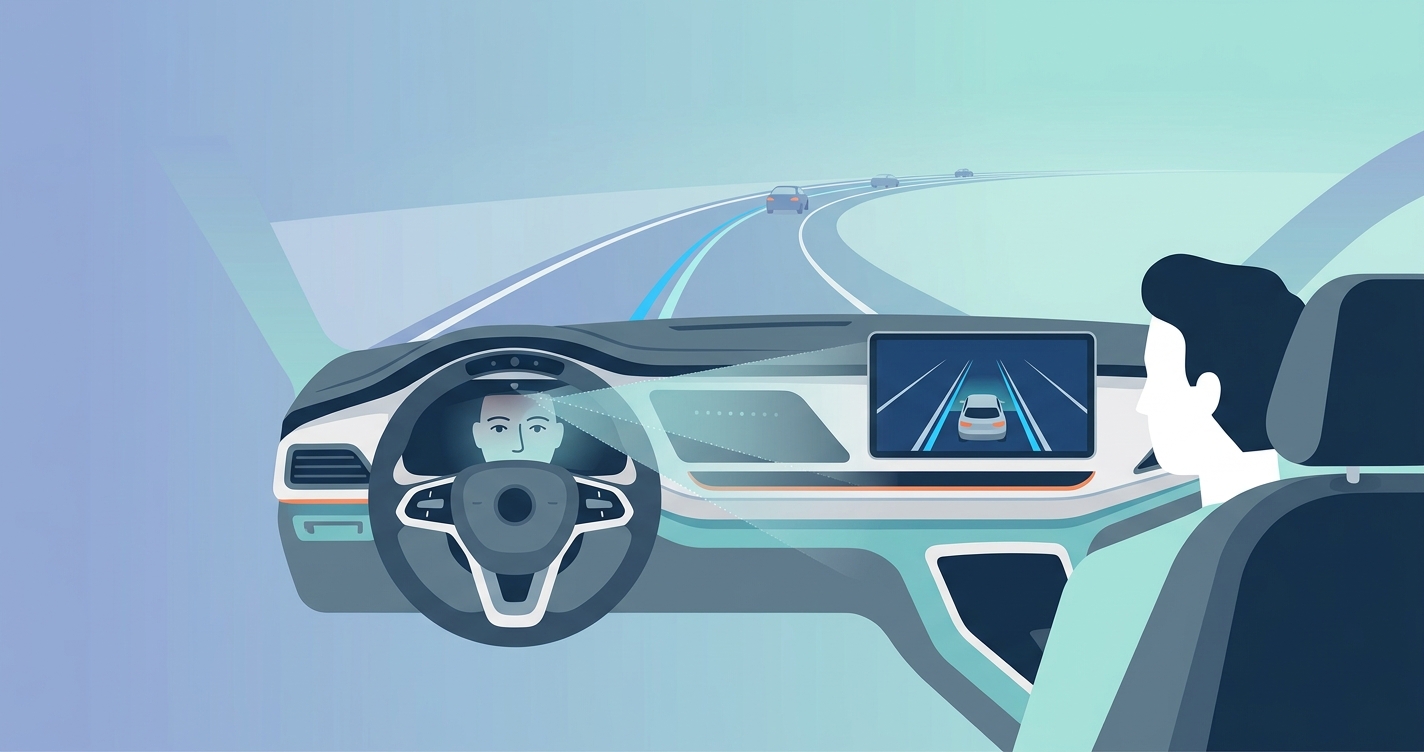
A research-based look at ADAS DMS integration how work together, and why OEMs now connect road-scene sensing with driver-state monitoring for safer assisted driving.

A research-based framework for teams that need to build driver monitoring program fleet operations around fatigue detection, telematics, privacy, and measurable safety outcomes.

A research-based look at camera based spo2 estimation moving vehicle systems, from rPPG signal capture and motion filtering to cabin-lighting and validation challenges.

A research-based camera vs wearable driver monitoring comparison covering fatigue detection, in-cabin vitals, deployment tradeoffs, and fleet-scale automotive use cases.

A research-based look at driver cardiac event detection in cabin systems, including vital-sign sensing, unresponsive-driver logic, and emergency-response design for safer vehicles.

Research-driven analysis of driver health analytics actionable alerts, from in-cabin physiological signals to fleet workflows that reduce fatigue and medical-event risk.

A research-based look at driver monitoring electric vehicle fleet fatigue, including stop-start workload, quiet cabins, range anxiety, and new in-cab sensing demands.

A research-based look at driver monitoring KPIs fleet safety manager teams can use to connect distraction, fatigue, and intervention data to real fleet risk.

A research-focused analysis of edge vs cloud driver monitoring vital signs architectures, covering latency, privacy, bandwidth, validation, and automotive safety tradeoffs.

A research-based guide to help fleet safety director evaluate DMS vendors across detection quality, alerts, integration, compliance, and long-term operating fit.

A research-based look at future in cabin health beyond fatigue, from stress and vital-sign sensing to unresponsive-driver intervention and smarter cabin safety systems.

An industry analysis of GSR Phase 2 driver monitoring requirements in 2027, covering ADDW rules, DDAW carryover, Euro NCAP pressure, and OEM design implications.

A research-based analysis of how insurance telematics driver monitoring data is used for risk scoring, coaching, claims workflows, and fleet safety program design.

Research-based analysis of last mile delivery driver fatigue detection, covering urban route stress, in-cabin monitoring methods, and fleet safety implications.

Research-based analysis of how mining heavy equipment driver monitoring helps haul fleets reduce fatigue risk, improve operator safety, and build more measurable fatigue management programs.

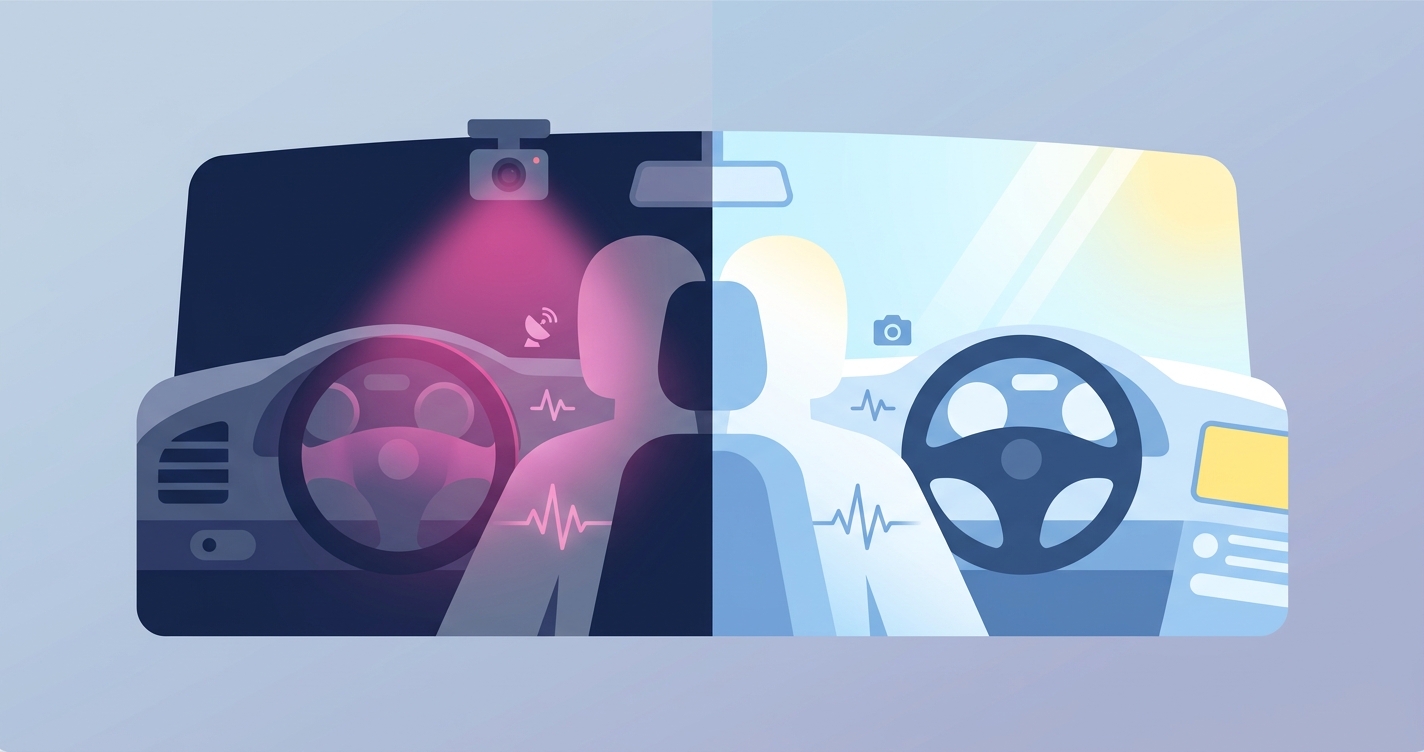
A practical nir vs rgb camera driver vital signs analysis for OEM and fleet teams comparing lighting robustness, signal quality, privacy, and integration tradeoffs.

A research-focused look at public transit driver wellness monitoring, from fatigue risk management to real-time in-cabin sensing for stress, drowsiness, and medical-event response.

A research-focused look at ride hail platform driver wellness scoring, including fatigue signals, in-cabin sensing, dispatch logic, and the evidence shaping safer mobility operations.

A research-based framework for validating rPPG accuracy in automotive driver monitoring, covering reference sensors, motion artifacts, cabin lighting, and safety-case expectations.

A research-focused analysis of why vital signs autonomous vehicle safety is becoming central to driver monitoring, fallback readiness, and in-cabin sensing design.

A research-focused overview of driver monitoring system regulations global 2026, covering Euro NCAP, EU rules, UNECE policy, China NCAP, Japan, and the U.S. outlook.

Research-level analysis of driver stress monitoring for long-haul trucking, including camera-based sensing, HRV trends, fatigue overlap, and how fleets use physiological data to reduce crash risk.

A research-based look at how drowsiness detection systems read vital signs using cameras, PERCLOS, and physiological signals to improve fleet and automotive safety.

A research-based look at Tier 1 automotive camera vitals integration, including cabin camera architecture, software stacks, regulation, and the move toward contactless driver-state sensing.

A technical overview of remote photoplethysmography (rPPG) for automotive in-cabin vitals sensing, covering signal extraction, motion artifact compensation, and integration with driver monitoring architectures for OEMs and Tier-1 suppliers.

Research-level analysis of how in-cabin vital signs monitoring improves road safety through contactless detection of cardiac events, fatigue, and stress using rPPG and radar-based sensing in automotive environments.

Research-level analysis of how fleet operators deploy driver health monitoring systems to reduce crash risk, improve duty-of-care compliance, and address the physiological factors behind commercial vehicle incidents.

A detailed analysis of Euro NCAP driver monitoring requirements for OEMs, covering the 2026 assessment protocol, scoring criteria, technical specifications, and integration strategies for camera-based DMS and occupant monitoring systems.

An in-depth research analysis of how driver fatigue detection camera technology uses PERCLOS, gaze tracking, and physiological indicators to prevent drowsy driving accidents in passenger and commercial vehicles.

A research-level overview of camera-based driver monitoring DMS technology, covering how near-infrared imaging and computer vision detect distraction, drowsiness, and cognitive load in automotive cabins.